

Index Insights: The state of inclusion and work socialising

Team socialising is an important aspect of inclusion. It brings team members together to form important work friendships1, builds a sense of belonging2, and provides career networking opportunities3.

However, not everyone experiences inclusive socialising at work, especially when team members from a diversity of backgrounds are not invited or can not attend.

How common is being left out of work social gatherings?

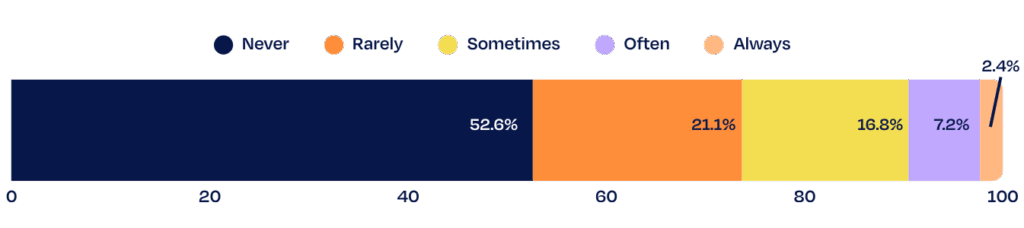
Early release data from our latest upcoming Inclusion@Work Index (full release in late February 2026) shows that being left out of work social gatherings is common in Australian workplaces. More than 1 in 4 (26%) workers reported sometimes, often, or always experiencing this at work in the past 12 months.

I have been left out of a social gathering (2025)

Who is being left out of work social gatherings?

Some workers are much more likely to be left out of work social gatherings than others. Early release data from our latest upcoming Inclusion@Work Index (full release in late February 2026) found First Nations workers, workers with disability, and LGBTQ+ workers reported much higher experiences of being left out of work socialising compared to other workers.

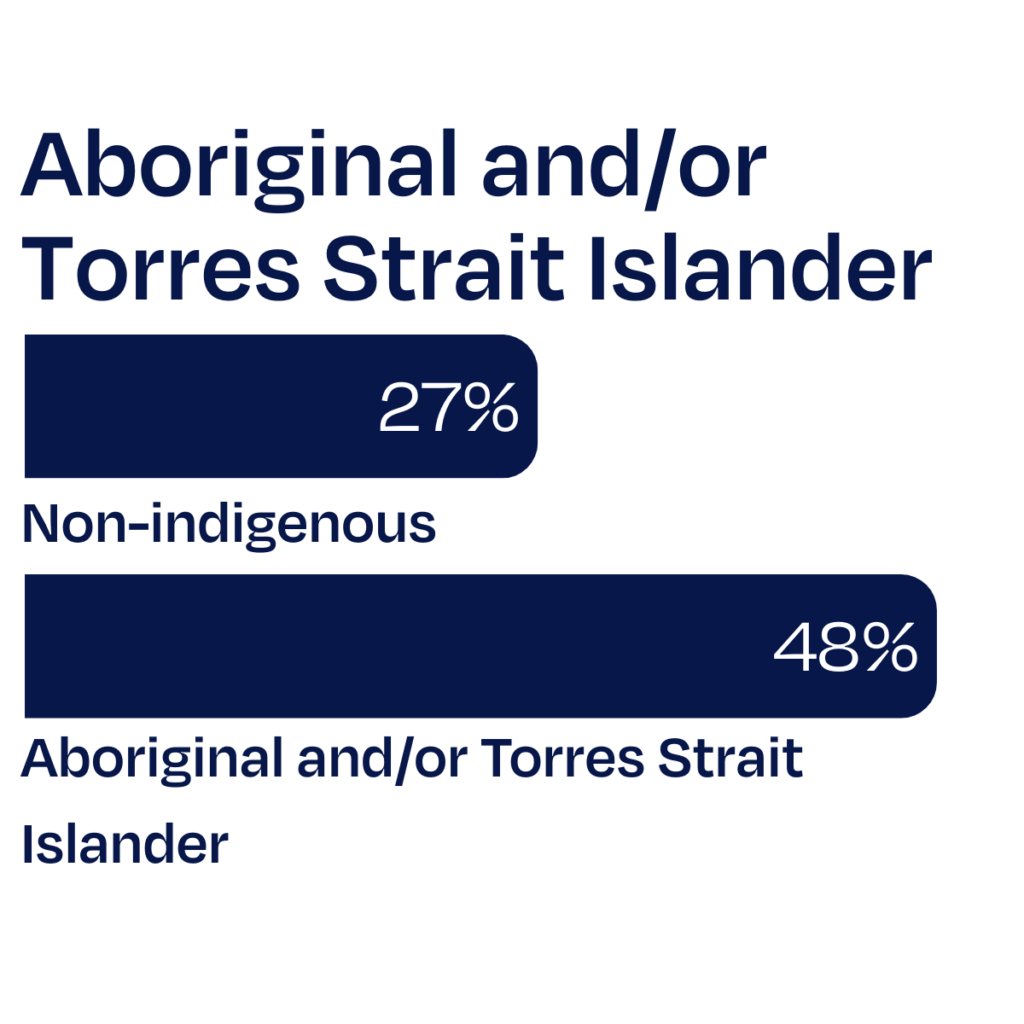
  • Aboriginal and/or Torres Strait Islander workers reported the highest levels of being left out of a work social gathering with close to 1 in 2 (48%) reporting experiencing this sometimes, often or always in the past 12 months. First Nations workers were also almost twice as likely to report this than non-Indigenous workers (27%).
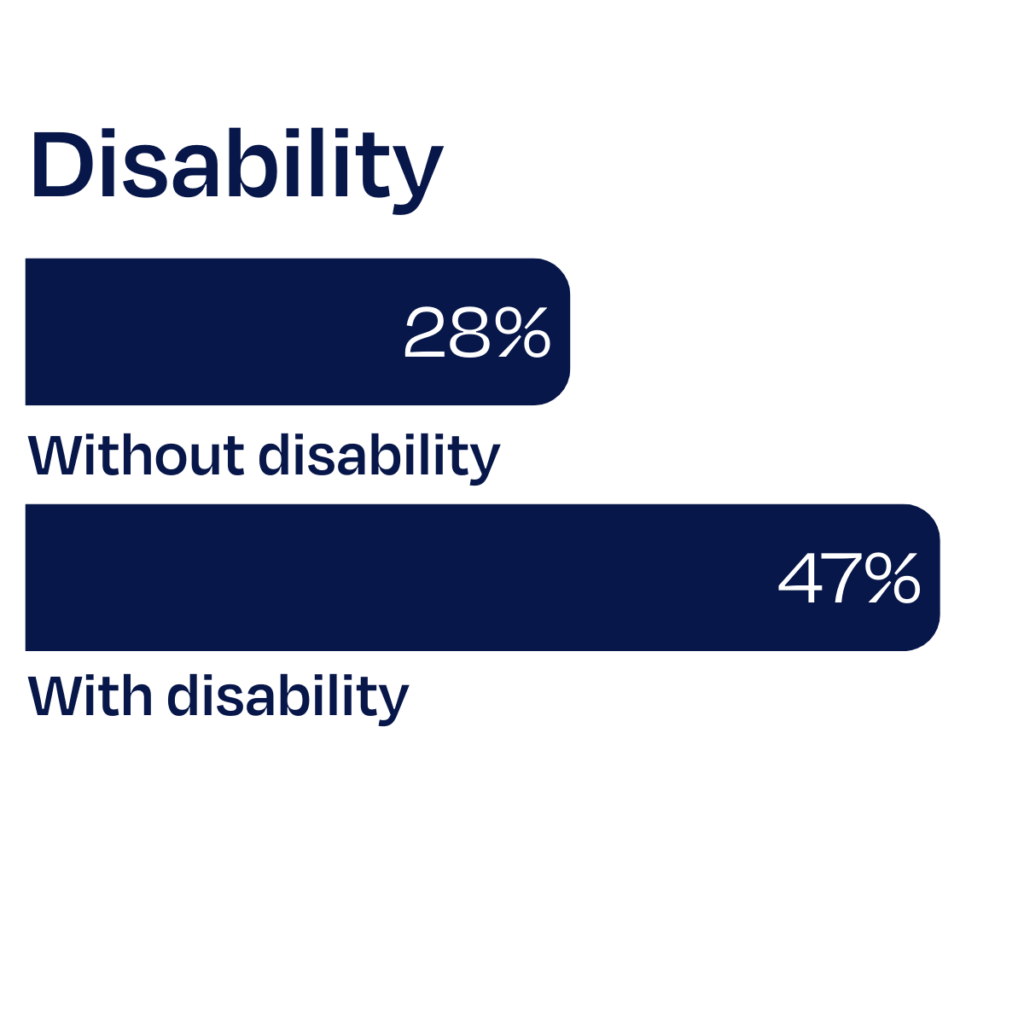
  • Almost half (47%) of workers with disability reported they had sometimes, often, or always experienced being left out of work social gatherings, significantly higher than the 28% reported by workers without disability.
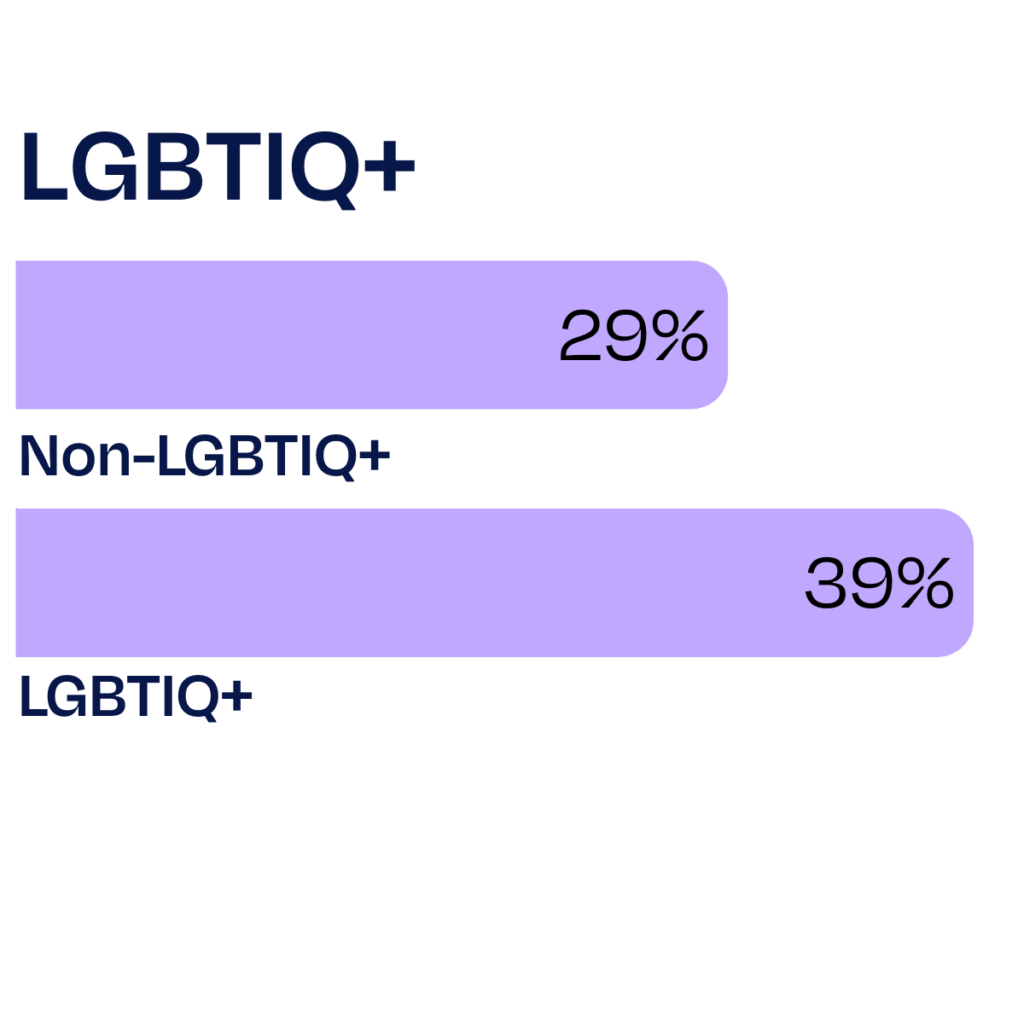
  • More than 1 in 3 (39%) LGBTQ+ workers reported sometimes, often or always being left out of work social gatherings in the past 12 months, compared to 28% of non-LGBTQ+ workers reporting the same.

Experience with being left out of a work social gathering by demographic

Percentage of workers sometimes + often + always being left out of a work social gatherings.

Experience with being left out of a work social gathering by demographic bar graph subset: Aboriginal and/or Torres Strait Islander 48% Aboriginal and/or Torres Strait Islander, 27% Non-indigenous.
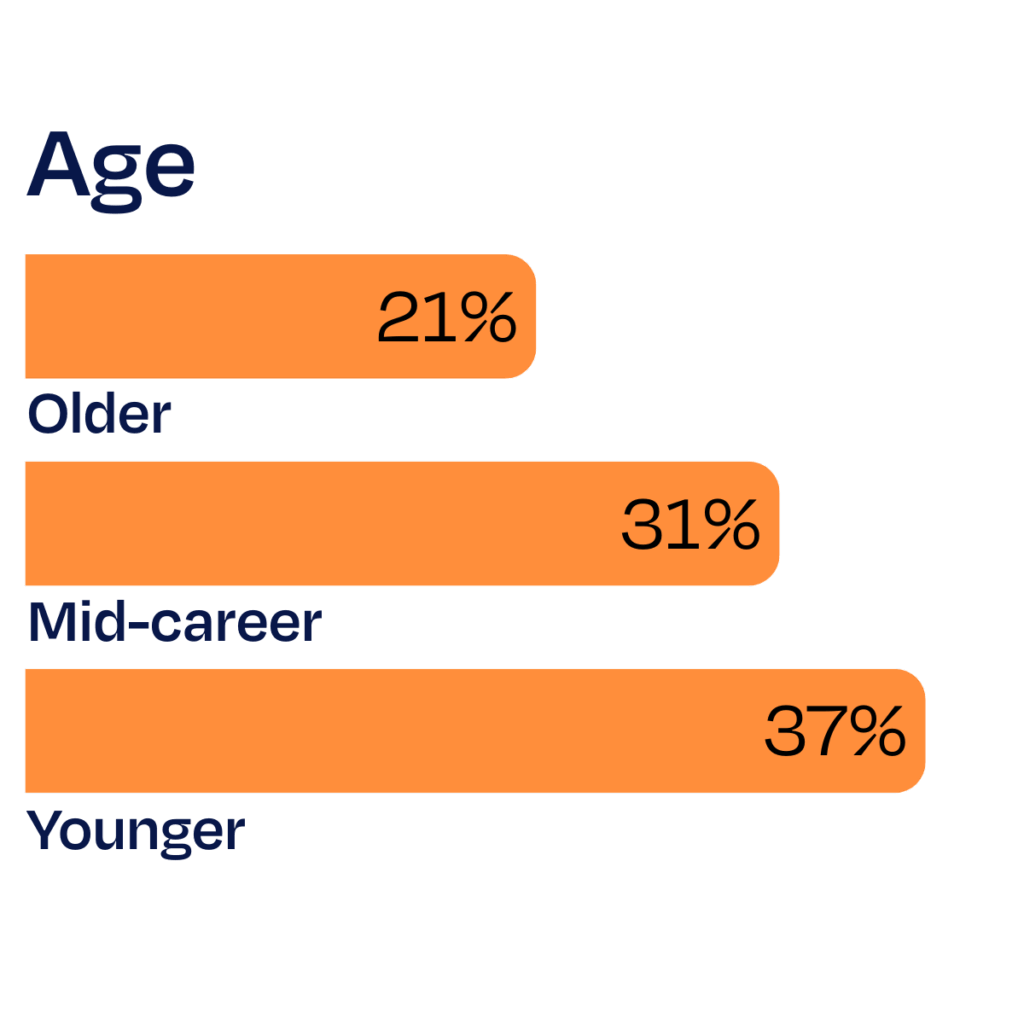
Experience with being left out of a work social gathering by demographic bar graph subset: Age. 21% Older, 31% Mid-career, 37% Younger
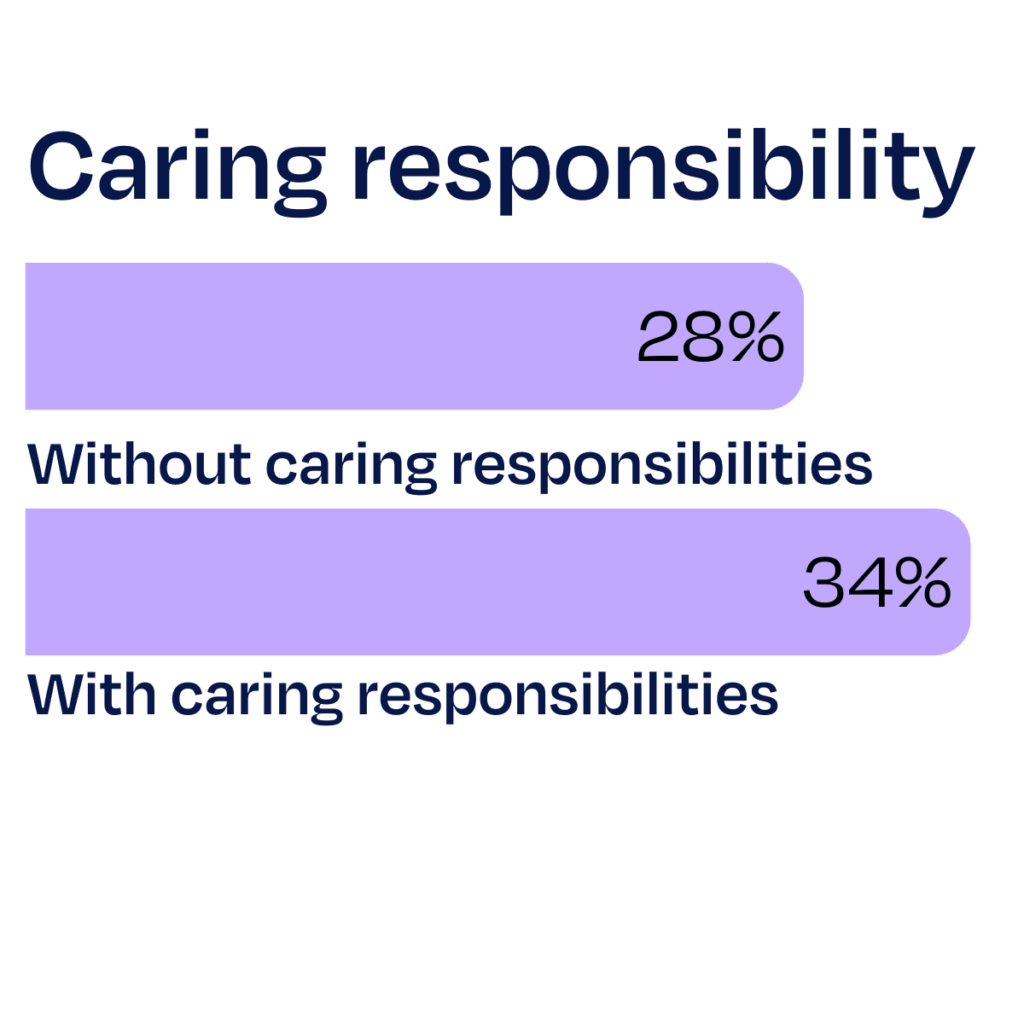
Experience with being left out of a work social gathering by demographic bar graph subset: Caring responsibility. 28% Without caring responsibility, 34% with caring responsibility.
Experience with being left out of a work social gathering by demographic bar graph subset: Disability. 28% without disability, 47% with disability.
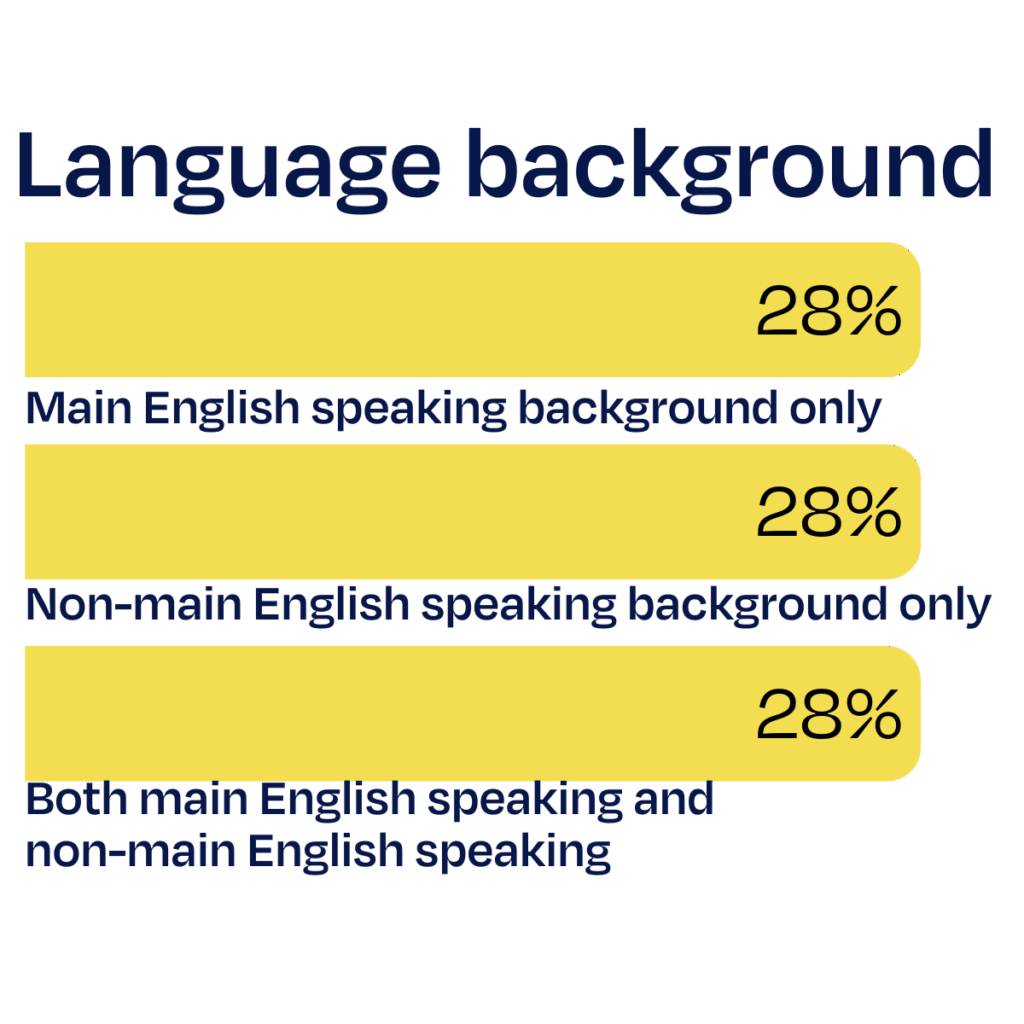
Experience with being left out of a work social gathering by demographic bar graph subset: Language background. 28% for three items: Main English speaking background only, Non-main English speaking background only, Both main English speaking and non-main English speaking
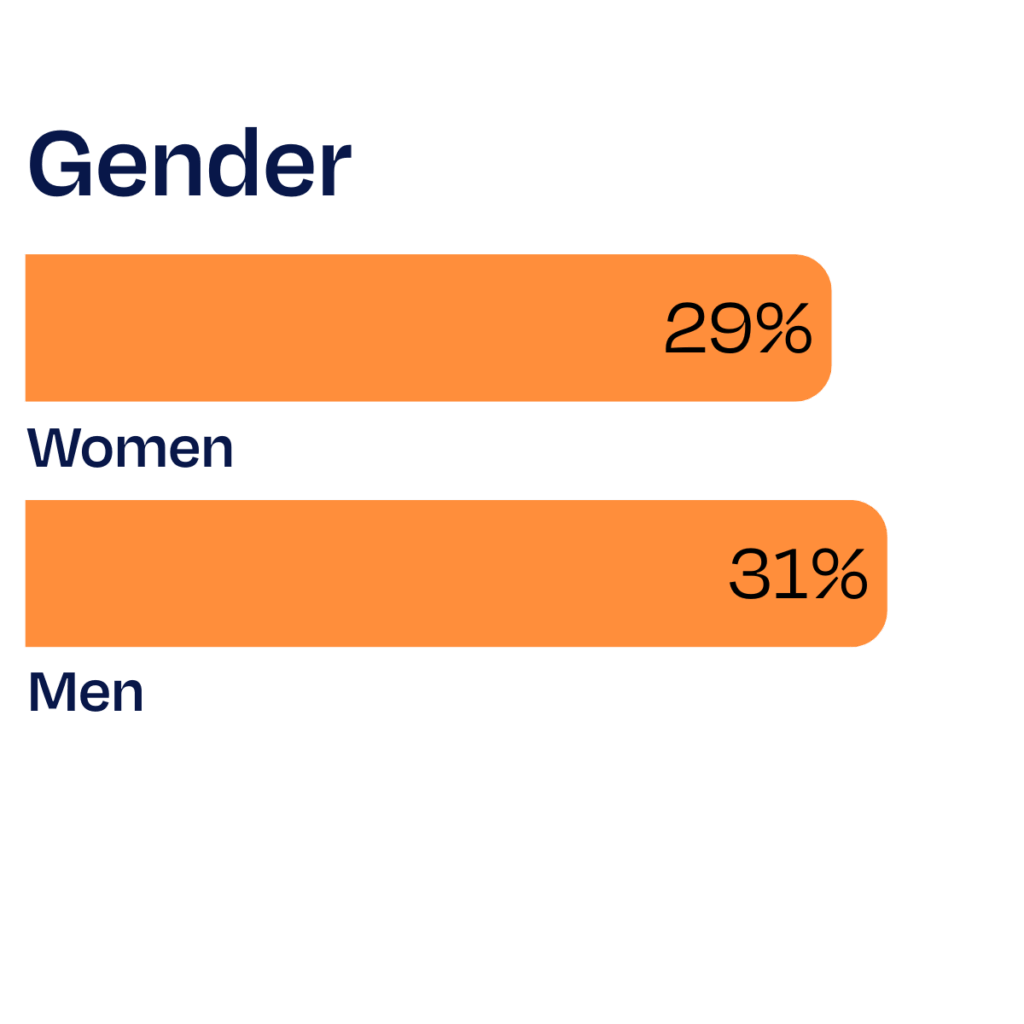
Experience with being left out of a work social gathering by demographic bar graph subset: Gender. 29% Women, 31% Men
Experience with being left out of a work social gathering by demographic bar graph subset: LGBTIQ+. 29% Non-LGBTIQ+, 39% LGBTIQ+.
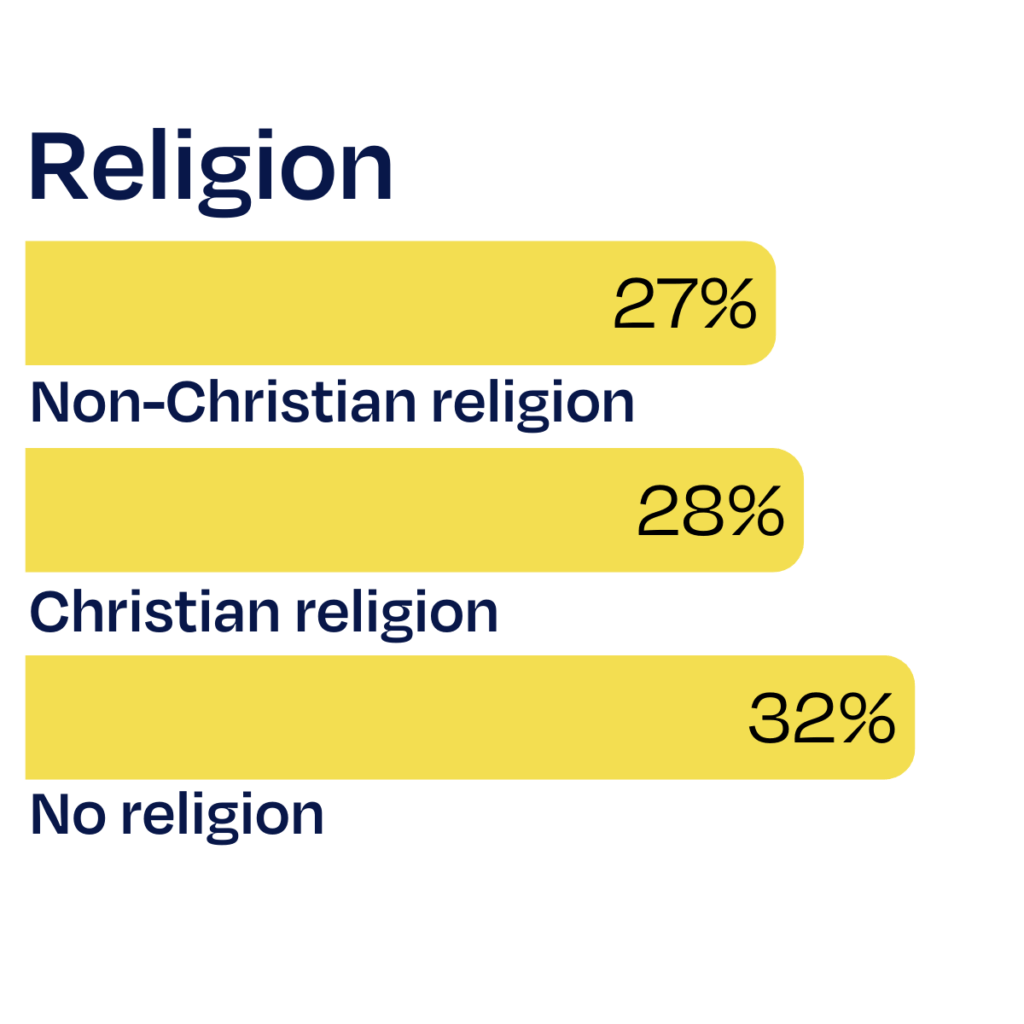
Experience with being left out of a work social gathering by demographic bar graph subset: Religion. Christian religion 28%, No religion, 32%, Non-Christian religion 27%

Inclusion makes a difference

The good news is that inclusion makes a difference when it comes to socialising. Our early release data from the 2025-2026 Inclusion@Work Index found workers:

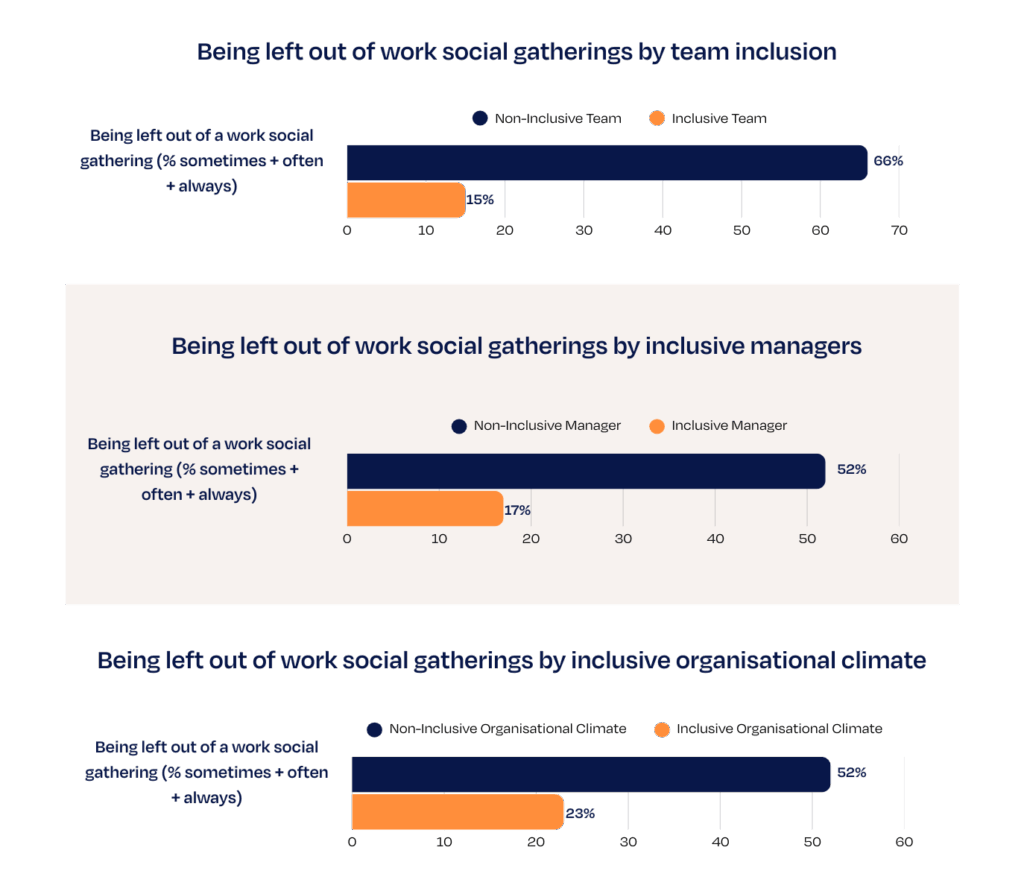
  • in inclusive teams were 4 times less likely to report they had been left out of work social gatherings compared to those in non-inclusive teams (15% reported sometimes, often, or always experiencing this in inclusive teams, compared to 66% in non-inclusive teams)
  • with inclusive managers were 3 times less likely to experience being left out of work social gatherings than peers with non-inclusive managers (17% reported sometimes, often, or always experiencing, compared to 52% with non-inclusive managers)
  • in inclusive organisational climates were 2 times less likely to report they had been left out of work social gatherings compared to those in non-inclusive organisational climates (23% reported sometimes, often, or always experiencing this, compared to 52% in non-inclusive organisational climates).
Three bar graphs. First graph, Being left out of work social gatherings by team inclusion. Non-inclusive team 66%, Inclusive team 15%. Second graph, Being left out of work social gatherings by inclusive managers, non-inclusive manager 52%, inclusive manager, 17%. Third graph, Being left out of work social gatherings by inclusive organisational climate, non-inclusive organisational climate, 52%, Inclusive organisational climate, 23%

What can you do to make your socialising more inclusive?

To help ensure your social events are more inclusive, take the time to plan ahead. This can include:

  • checking your assumptions by asking team members about preferred activities, and then respecting those preferences when planning team events4
  • including a variety in socialising so there is more opportunity for team members to attend – for example, varying the times you socialising, types of activities and places used when socialising
  • conducting a team poll that asks team members about their preferred activities, availability, and ways to engage in team social events
  • remembering that time of day, week, year, or day can impact a diversity of team members being able to attend – time zones, school hours and school holidays, part-time team member workdays, and significant cultural or religious holidays and practice are all important considerations
  • where possible, scheduling team social and networking events with plenty of notice – giving team members time to make plans to attend means more team members will be able to attend.

Read & learn more

Access DCA Inclusive Teams Toolkit (see lever 4: Inclusive Team Social Events) for more information on making workplace socialising more inclusive. DCA also has several other resources that can help make your team socialising more inclusive, including our:

  1. A. Mann, “Why We Need Best Friends at Work”, Gallup, 15 January 2018.
  2. Ibid.

    R. Friedman, “5 Things High-Performing Teams Do Differently”, Harvard Business Review, 21 October 2021.

  3. H. Wolff and K. Moser, “Effects of Networking on Career Success: A Longitudinal Study”, Journal of Applied Psychology, vol. 94, no. 1, 2009, p. 196–206.

    P.M. Sias, “Workplace Relationship Quality and Employee Information Experiences”, Communication Studies, vol. 56, no. 4, 2005, p. 375–395.

  4. M. Mahto, S. Hogan and B. Sniderman, “Creating Support for Neurodiversity in the Workplace”, Deloitte Insights, 18 January 2022.